
What’s Zeigarnik Effect & Why Brains Cant Let Go of Unfinished Tasks
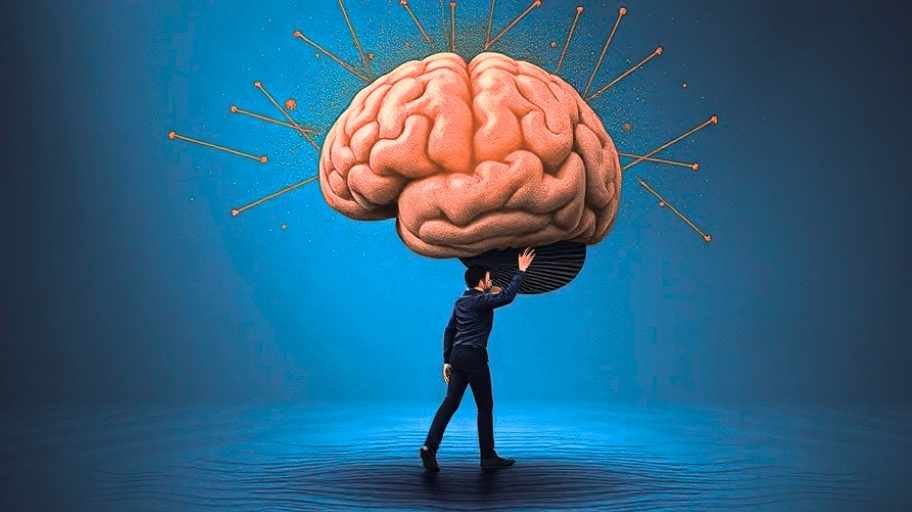
You know that nagging little itch the one that pops up during dinner, mid-episode, or while you’re trying to fall asleep reminding you about the email you never replied to, the half-written report, or the laundry that still needs folding? That itch has a name: the Zeigarnik effect. It’s the brain’s stubborn habit of keeping unfinished things alive in mind, and honestly, it explains a lot about why we can’t fully relax even when everything on a to-do list is, technically doable.
What the Zeigarnik effect actually is
In 1920s Bluma Zeigarnik noticed something in a Vienna restaurant (actually not just her me and maybe you also), waiters could remember dozens of unpaid orders in detail, but the moment a bill was paid the orders evaporated from memory.
Follow-up experiments showed the same: interrupted tasks are easier to recall than completed ones. Modern researchers explain this as cognitive tension an unfinished task keeps getting mentally rehearsed until it’s discharged. Once it’s done, the brain lets the information go.
How this feels in real life
This isn’t just lab-stuff. It’s the reason a cliffhanger episode makes you scroll next at 2 a.m., why half-assembled furniture keeps nudging you weeks later, and why starting a big project and stopping halfway can make your brain hum with ideas later in the shower. People use it without knowing: writers who stop mid-sentence so tomorrow’s start is easier, coders who leave a failing test to pick up next day, students who study in chunks and let ideas bake. It’s useful, annoying, and strangely powerful.
The effect also helps explain why companies and creators exploit cliffhangers, progress meters, and incomplete profile nudges: they’re basically optimized reminders that leverage the brain’s tendency to dwell on gaps.
Why it can be helpful
Left to its own devices the Zeigarnik effect can be a productivity hack. Start a project even a paper title or a single paragraph and the unfinished loop can pull you back, nudging you to finish. Famous creative routines (some say Hemingway and others) intentionally leave a thread to pick up later; many creatives call this letting ideas bake. For studying, short interruptions between sessions can actually boost recall because your brain keeps replaying the unfinished chunk.
Why it becomes a problem
Here’s the rub: every unfinished task is a tiny mental tab hogging your attention. A dozen incomplete things split your focus, make you worse at concentrating, and can drag into evenings and sleep. If you have got a lot on your plate job, family, chores or you try to do everything perfectly, or your phone won’t stop pinging, it just wears you out. You get tired, can’t sleep sometimes, feel guilty about small stuff, and start wondering if you’re doing enough. It’s annoying and normal. The modern world multiple inboxes, instant messages, notifications makes this worse. There’s always another half-done thing waiting.
Ways to stop the ringing
You don’t need to finish everything to quiet the brain. There are simple tactics that let you keep the Zeigarnik effect as an ally, not a bully.
Write things down and make a plan. Offloading tasks to a trusted list or task manager reduces the need for your brain to rehearse them. A quick plan even finish draft, revise, send discharges the tension enough that you can focus on the next thing.
End-of-day shutdown ritual. Spend 5 mins before logging off to note what you may start with tomorrow. That small act signals to your brain where to pick up and prevents the list from stalking your evening.
Start tiny. When a task feels huge, do one tiny, concrete step open the document, type a title, or write a single sentence. That started-but-not-finished state often triggers momentum.
-two-minute rule is actually easy and simple: if something takes less than two minutes to do, just tackle it right away.
What wins we have:
- Keep a pen or notes app it will be handy for sudden ideas capture the thread so it stops running in the background.
- When overwhelmed ask: What’s worth finishing? Close a few low-value tabs mentally and shrug the rest.
| Try next | Why |
|---|---|
| Jot a one-line next step before you stop | Gives your brain a clear hand off so it stops rehearsing |
| Set a 10-minute start session tomorrow | Lowers the barrier to re-entry – momentum follows |
| Do the one-minute / two-minute task immediately | Removes tiny loops so they dont pile up |
How and When to let the Zeigarnik effect go
Not every unfinished thing deserves your mental rent. Some items are noise. When a task pops into your head, ask: will this honestly matter in a week? If not, shove it to the side, hand it off to someone, or just delete it. Say “not today” out loud if you want. It sounds small, but giving yourself that permission actually helps more than another app or checklist.
I have found the Zeigarnik effect to be both a curse and a gift. Leaving a paragraph unfinished has pulled me back to better ideas; at the same time, an unchecked list of tiny things has ruined more than one quiet evening.
Mostly I learned this: systems matter a trusted place to store what’s open plus a tiny ritual to close the day goes miles. I try to celebrate small finishes too, because our brains forget wins faster than they remember the open tabs.
FAQs
Q: If I stop tasks mid-flow like Hemingway won’t I lose momentum?
A: Sometimes you will, and sometimes you won’t. If you’re riding a strong flow and quality is high, keep going. But if you’re tired or the flow’s ebbing, leaving a clear clue for tomorrow (a sentence fragment, a failing test, a next step note) gives you a soft launch the next day. Try both and see which helps you more.
Q: Does the Zeigarnik effect mean procrastination is actually useful?
A: Not exactly. The effect can make a started-but-paused task nag you into action that’s useful. But chronic last-minute panic and poor-quality work from cramming is still harmful. The trick is productive procrastination: start small early, let ideas bake, then return with clearer thinking rather than waiting until panic forces a messy finish.